


Introduction: Why Robot Dresspack Is Important
In modern industrial automation, robot dresspack systems play a critical role in protecting and guiding cables, hoses, and signal lines. Without a proper cable management system, robots may face frequent cable damage, unexpected downtime, and higher maintenance costs.
A well-designed robot dresspack ensures smooth motion, stable performance, and longer system lifespan.
What Is a Robot Dresspack System?

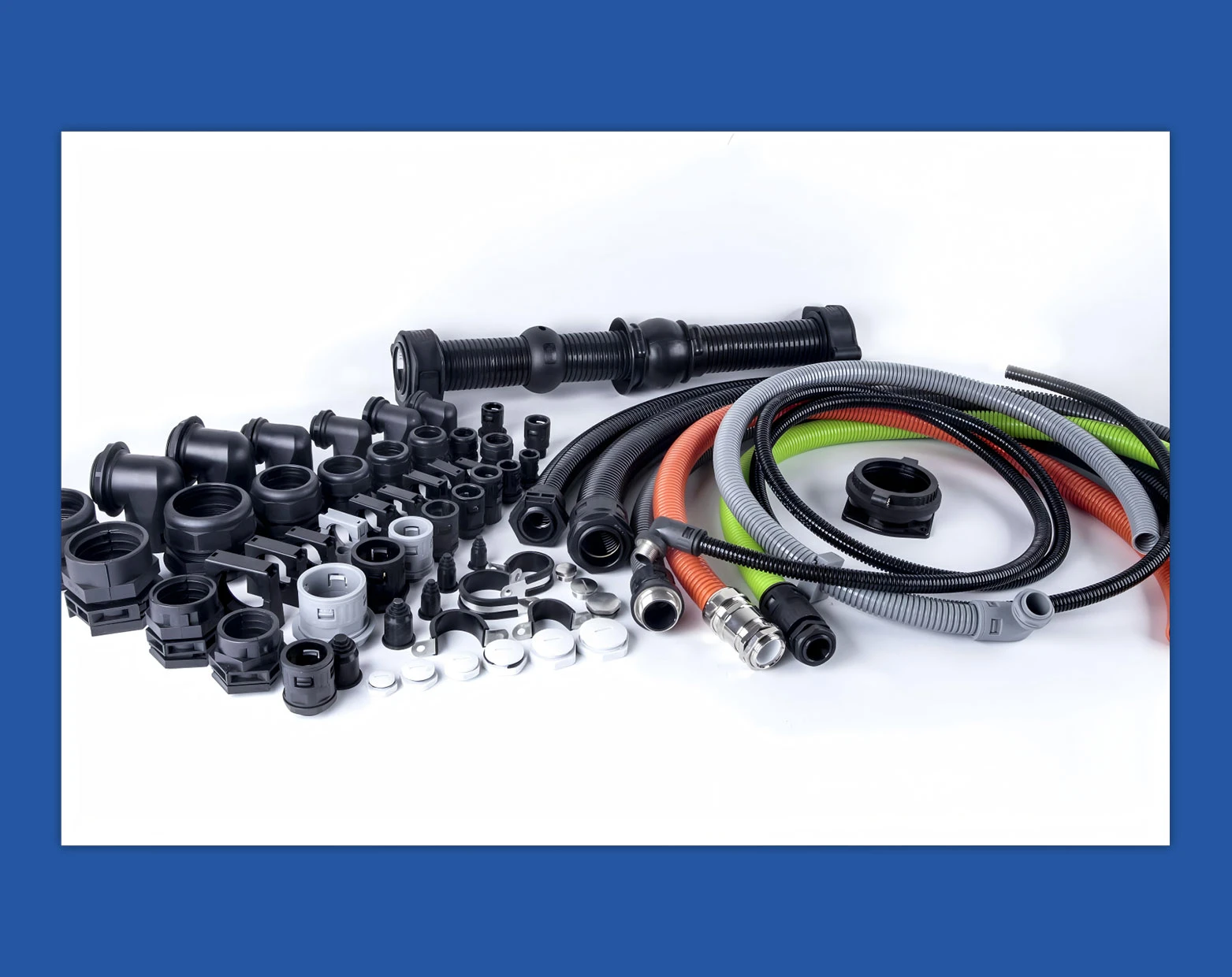
A robot dresspack is a complete cable management solution used on industrial robots. It organizes and protects all moving cables, including power cables, communication lines, and pneumatic hoses.
A typical system includes:
- Protective conduits or sleeves
- Energy chains or routing systems
- Mounting brackets
- Rotary or motion compensation components
It is designed to move with the robot while preventing cable stress and wear.
Types of Robot Dresspack Systems
External Dresspack System
This system is installed outside the robot arm.
Advantages:
- Easy to install and maintain
- Flexible for different robot models
Disadvantages:
- Takes external space
- May limit movement in tight environments
Best for welding, handling, and general industrial applications.
Internal Dresspack System
Cables are routed inside the robot structure.
Advantages:
- Clean and compact design
- No external interference
Disadvantages:
- Higher cost
- More complex maintenance
Common in precision industries such as electronics and assembly.
How to Choose the Right Robot Dresspack
1. Robot Compatibility
Different robots such as ABB, KUKA, FANUC, and Yaskawa require different dresspack designs. Always confirm robot model, payload, and motion range before selection.
2. Motion Requirements
High-speed or multi-axis movements require flexible and durable cable systems. Poor flexibility can shorten cable life and cause unexpected failures.
3. Cable Load and Configuration
Check how many cables and hoses are required. Overloading the dresspack system will reduce performance and increase wear.
4. Working Environment
Environmental conditions strongly affect material selection:
- High temperature → heat-resistant materials
- Welding environment → anti-spark protection
- Dusty environments → sealed protection design
5. Maintenance and Replacement
Choose a system that allows easy cable replacement and quick maintenance. Modular designs help reduce downtime.
Common Selection Mistakes
Many users choose the wrong system due to:
- Focusing only on price instead of durability
- Ignoring robot motion limits
- Using non-standard cable solutions
- Underestimating maintenance needs
These mistakes often lead to higher long-term costs.
Conclusion
Selecting the right robot dresspack system is essential for improving robot performance and reducing downtime. A good system should match robot type, motion requirements, load conditions, and working environment.
Investing in the right solution can significantly extend cable life and improve production efficiency.

For manufacturers interested in Robot Dresspack:
Selecting a Robot Dresspack supplier with mature technology, high automation, integrated digital management functions and comprehensive after-sales service is the key to enhancing core competitiveness and addressing future market challenges.
If you are interested in our Robot Dresspack or require a more efficient solution, please feel free to contact us. We will provide you with our most dedicated service.


