

Lighting is a fundamental yet often underestimated factor in the performance of Automatic Optical Inspection (AOI) Equipment. As a supplier of AOI solutions, I've witnessed firsthand how the right lighting can transform the accuracy, efficiency, and overall effectiveness of these inspection systems. In this blog, I'll delve into the multifaceted impact of lighting on AOI equipment, exploring its role in image quality, defect detection, and operational efficiency.
Impact on Image Quality
The quality of the images captured by AOI equipment is the cornerstone of accurate inspection. Lighting plays a pivotal role in determining the clarity, contrast, and resolution of these images. Adequate lighting ensures that the surface features of the inspected object are well-defined, allowing the system to distinguish between normal and defective areas with precision.
Illumination Uniformity
Uniform lighting is essential for consistent image quality across the entire field of view. Non-uniform lighting can create shadows, highlights, or uneven brightness, which can lead to false positives or negatives during inspection. For example, in a Mini LED Automated Optical Inspection Machine, where the inspection of tiny LED chips requires high precision, any variation in lighting can obscure defects or misinterpret normal features as defects.
Color Rendering
Color accuracy is crucial in applications where color-coded components or markings need to be inspected. High-quality lighting with good color rendering index (CRI) can accurately reproduce the true colors of the inspected object, enabling the AOI system to detect color-related defects such as incorrect color coding or discoloration. This is particularly important in industries like electronics, where color-coded wires or components are commonly used.
Contrast Enhancement
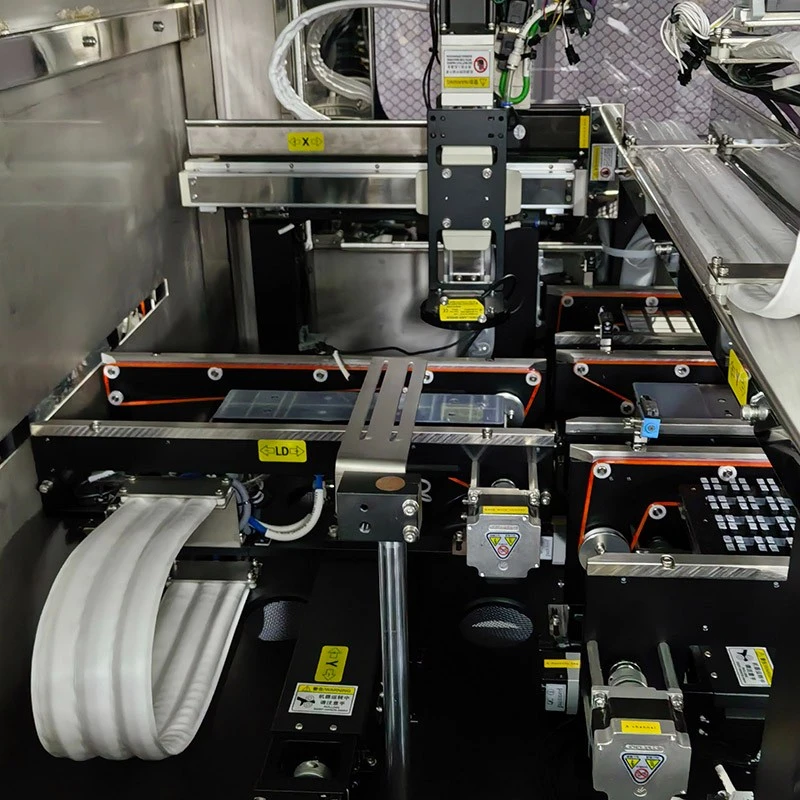
Proper lighting can enhance the contrast between the object being inspected and its background, making it easier for the AOI system to identify edges, boundaries, and surface features. By adjusting the lighting angle, intensity, and type, we can create optimal contrast conditions for different types of inspections. For instance, in a Pcb Visual Inspection Machine, backlighting can be used to highlight the presence of holes or vias on a printed circuit board, while side lighting can reveal surface defects such as scratches or bumps.

Impact on Defect Detection
The primary goal of AOI equipment is to detect defects accurately and efficiently. Lighting can significantly influence the system's ability to detect various types of defects, including surface defects, dimensional defects, and assembly errors.
Surface Defect Detection
Surface defects such as scratches, cracks, and contamination are often difficult to detect without proper lighting. By using techniques like dark field lighting or structured lighting, we can enhance the visibility of these defects by creating contrast between the defect and the surrounding surface. For example, in the inspection of semiconductor wafers using Semiconductor Inspection Equipment, dark field lighting can be used to highlight micro-cracks or particles on the wafer surface, which may not be visible under normal lighting conditions.
Dimensional Defect Detection
Accurate measurement of dimensions is crucial in many industries, such as automotive and aerospace. Lighting can affect the accuracy of dimensional measurements by influencing the sharpness and clarity of the edges of the object being measured. By using collimated lighting or telecentric lenses, we can minimize the effects of perspective distortion and ensure accurate dimensional measurements. For instance, in the inspection of machined parts, telecentric lighting can be used to provide a uniform and parallel light source, enabling precise measurement of the part's dimensions.
Assembly Error Detection
In the assembly of complex products, such as electronic devices or mechanical components, lighting can help detect assembly errors such as missing parts, misaligned components, or incorrect orientation. By illuminating the assembly from different angles, we can reveal hidden areas or gaps that may indicate an assembly error. For example, in the inspection of a smartphone assembly, side lighting can be used to detect the presence of a missing screw or a misaligned camera module.
Impact on Operational Efficiency
In addition to improving image quality and defect detection, lighting can also have a significant impact on the operational efficiency of AOI equipment.
Inspection Speed
Proper lighting can reduce the time required for inspection by improving the signal-to-noise ratio and enabling faster image processing. By using high-intensity lighting sources and optimized lighting configurations, we can capture clear and sharp images in a shorter time, allowing the AOI system to inspect more parts per unit of time. For example, in a high-speed production line, where thousands of parts need to be inspected every hour, fast and accurate inspection is essential to maintain productivity.
System Reliability
Reliable lighting is crucial for the long-term performance of AOI equipment. Poor-quality lighting sources may degrade over time, leading to inconsistent image quality and reduced defect detection accuracy. By using high-quality, long-lasting lighting sources and proper cooling and heat dissipation mechanisms, we can ensure the stability and reliability of the lighting system, minimizing the need for frequent maintenance and replacement.
Operator Comfort
In addition to its technical impact, lighting can also affect the comfort and productivity of the operators who use AOI equipment. Well-designed lighting can reduce eye strain and fatigue, making it easier for operators to monitor the inspection process and make accurate decisions. By providing adjustable lighting levels and color temperatures, we can create a comfortable working environment for operators, improving their overall job satisfaction and productivity.
Conclusion
In conclusion, lighting is a critical factor in the performance of Automatic Optical Inspection Equipment. By understanding the impact of lighting on image quality, defect detection, and operational efficiency, we can design and optimize lighting systems that meet the specific requirements of different applications. As a supplier of AOI solutions, I'm committed to providing our customers with the latest lighting technologies and expertise to help them achieve the highest levels of inspection accuracy and efficiency.
If you're interested in learning more about our Mini LED Automated Optical Inspection Machine, Pcb Visual Inspection Machine, or Semiconductor Inspection Equipment, or if you have any questions about the role of lighting in AOI, please don't hesitate to contact us for a consultation. We look forward to working with you to find the best AOI solution for your needs.
References
- Smith, J. (2018). Lighting for Machine Vision. Springer.
- Zhang, Y., & Wang, L. (2019). Impact of Lighting on Automatic Optical Inspection Systems. Journal of Manufacturing Science and Engineering, 141(3), 031007.
- Jones, R. (2020). Lighting Techniques for Defect Detection in AOI. Proceedings of the International Conference on Machine Vision and Image Processing.