

Optical inspection technology has revolutionized the medical device industry, offering non - invasive, high - precision, and efficient ways to ensure product quality. As an established optical inspection supplier, we have witnessed firsthand how this technology is being applied across various aspects of medical device manufacturing and quality control.
1. Quality Control of Medical Device Components
One of the primary applications of optical inspection in the medical device industry is the quality control of components. In this highly regulated field, the smallest defect in a component can have severe consequences for patient safety.
Optical inspection systems can be used to detect a wide range of defects in medical device components. For instance, they can identify surface flaws such as scratches, cracks, and pits on metal components like surgical instruments. These flaws, if undetected, could harbor bacteria or compromise the functionality of the instrument. Our Pcb Visual Inspection Machine is also crucial in this regard. Printed circuit boards (PCBs) are widely used in medical devices such as diagnostic equipment and patient monitors. The machine can inspect the PCBs for soldering defects, missing components, and short - circuits, ensuring the reliability of the electronic systems within medical devices.
In the manufacturing of plastic components, optical inspection can detect issues like warping, inclusions, and color inconsistencies. These defects might affect the fit, function, or aesthetics of the final medical device. Using high - resolution cameras and advanced image - processing algorithms, our optical inspection solutions can precisely measure dimensions and detect microscopic defects that are invisible to the human eye. This level of precision is essential for components that require tight tolerances, such as syringe barrels and catheters.
2. Assembly Verification
The assembly of medical devices is a complex process that involves multiple components. Optical inspection plays a vital role in verifying the correct assembly of these devices. Incorrect assembly can lead to malfunctions, which can be life - threatening in medical applications.
Our optical inspection systems can be integrated into the assembly line to ensure that all components are in the correct position and orientation. For example, in the assembly of pacemakers, which are critical for maintaining a normal heart rhythm, optical inspection can verify the placement of the battery, circuit boards, and electrodes. This helps to prevent incorrect welding or misalignment that could lead to device failure.
In addition, optical inspection can be used to check for the presence of all required components. In a multi - part injection pen for insulin delivery, the system can confirm that all the needles, cartridges, and caps are properly installed. By using 3D optical inspection technology, the system can capture a complete picture of the assembled device from different angles, providing a comprehensive view of the assembly process.

3. Medical Device Packaging Inspection
Proper packaging is essential for maintaining the sterility and integrity of medical devices. Optical inspection systems are used to inspect the quality of medical device packaging.
Firstly, they can detect defects in the packaging materials themselves. For example, in blister packs commonly used for single - use medical items, optical inspection can identify holes, tears, or thin spots in the plastic film. These defects could compromise the sterility of the device inside. Our inspection systems use specialized lighting techniques to enhance the contrast between the packaging and any potential defects, making it easier to identify even the smallest imperfections.
Secondly, optical inspection can verify the correct labeling on the packaging. In the medical industry, accurate labeling is crucial for providing essential information about the device, such as usage instructions, warnings, and expiration dates. Our systems can read and verify barcodes, text, and graphics on the packaging, ensuring that all information is clear, accurate, and compliant with regulatory requirements.
4. Biocompatibility and Surface Analysis
Biocompatibility is a critical factor in the development and production of medical devices. Optical inspection techniques can be used to analyze the surface properties of medical devices to ensure their biocompatibility.
For example, scanning electron microscopy (SEM) combined with energy - dispersive X - ray spectroscopy (EDX), which are part of our advanced optical inspection solutions, can be used to study the surface composition of implants. This helps to identify any contaminants or impurities that could cause adverse reactions in the human body. The SEM provides high - resolution images of the implant surface, while the EDX can analyze the elemental composition at a microscopic level.
In addition, optical profilometry can be used to measure the surface roughness of medical devices. The surface roughness can affect cell adhesion, protein adsorption, and blood clotting, all of which are important for the biocompatibility of the device. By precisely controlling the surface roughness through optical inspection, manufacturers can improve the performance and safety of their medical devices.
5. Miniature and Micro - medical Device Inspection
With the development of micro - and nano - technology, the medical device industry is increasingly producing miniature and micro - medical devices such as micro - needles, micro - sensors, and micro - fluidic chips. These devices pose unique challenges for inspection due to their small size and complex structures.
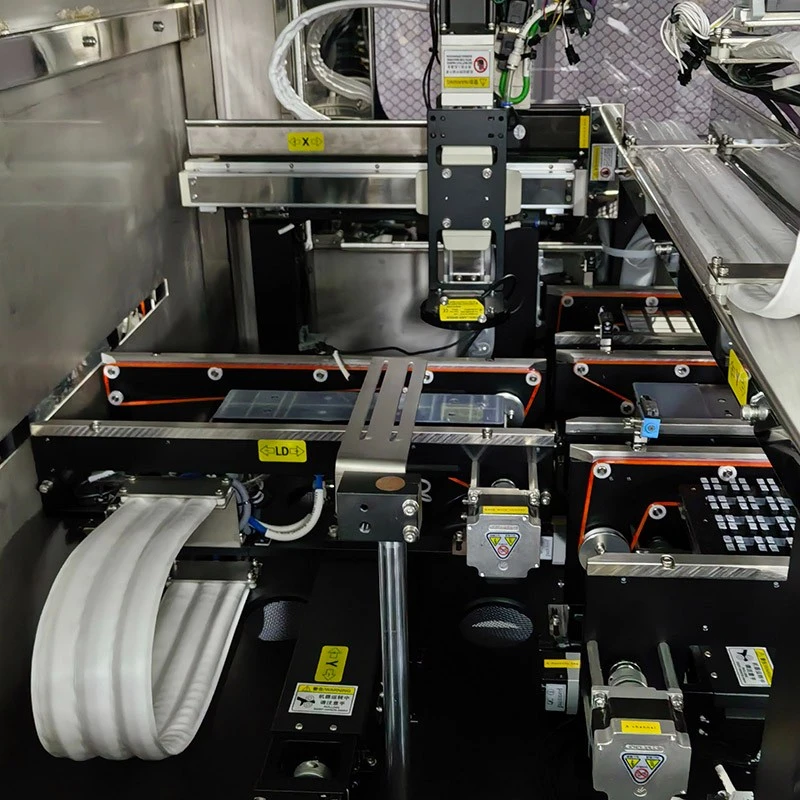
Our Mini LED Automated Optical Inspection Machine can be adapted for the inspection of these miniature medical devices. It uses high - magnification optics and advanced image - processing algorithms to detect defects and measure dimensions accurately. For micro - needles, which are used in drug delivery and minimally invasive diagnostics, the system can check for sharpness, length, and tip shape, ensuring their effectiveness and safety.
Micro - fluidic chips are another area where optical inspection is crucial. These chips are used for various biological and chemical analyses. Optical inspection can verify the integrity of the micro - channels, the presence of any blockages, and the bonding quality of different layers in the chip.
6. Semiconductor Component Inspection in Medical Devices
Medical devices are becoming increasingly reliant on semiconductor components for functionalities such as data processing, communication, and sensing. Our Semiconductor Inspection Equipment is indispensable in ensuring the quality of these components.
Semiconductor chips used in medical devices need to meet strict quality and reliability standards. Optical inspection can detect defects such as micro - cracks, scratches, and doping inhomogeneities on the semiconductor wafers and chips. These defects can affect the electrical performance of the components, leading to malfunctions in the medical device. Our inspection equipment uses advanced optical imaging and pattern - recognition algorithms to identify and classify these defects accurately.
In addition, as semiconductor technology continues to advance, the size of semiconductor components is getting smaller and the complexity is increasing. Our optical inspection systems are designed to keep up with these changes, providing high - resolution inspection capabilities for the next generation of medical device semiconductor components.
Conclusion and Call to Action
In conclusion, optical inspection has a wide range of applications in the medical device industry, from component quality control to final product packaging inspection. With our advanced optical inspection solutions, we can help medical device manufacturers ensure the quality, safety, and reliability of their products, while also meeting the strict regulatory requirements of the industry.
If you are a medical device manufacturer looking for high - quality optical inspection solutions, we invite you to contact us for a detailed discussion. Our team of experts is ready to understand your specific needs and provide customized inspection solutions that can improve your production efficiency and product quality.
References
- Brown, J. (2020). Optical Inspection Techniques in Medical Device Manufacturing. Journal of Medical Device Technology, 15(2), 34 - 45.
- Smith, A. (2021). Advances in Optical Inspection for Semiconductor Components in Medical Applications. Semiconductor Research Journal, 22(3), 78 - 89.
- Johnson, R. (2019). Quality Control of Medical Device Packaging Using Optical Inspection. Packaging Science and Technology, 12(4), 56 - 67.