

Hey there! I'm a supplier of paint roller machines, and today I wanna chat about a super important topic: What is the minimum paint viscosity for a paint roller machine?
First off, let's get clear on what paint viscosity is. Viscosity is basically a measure of a fluid's resistance to flow. Think of it like this: honey has a high viscosity because it flows really slowly, while water has a low viscosity as it flows easily. In the world of paint, viscosity plays a huge role in how well it works with a paint roller machine.
When it comes to using a paint roller machine, the paint viscosity can't be too low or too high. If the viscosity is too low, the paint might run off the roller too quickly. You know, it'll just drip everywhere, making a big mess and not giving you a nice, even coat on the surface you're painting. On the other hand, if the viscosity is too high, the paint won't spread smoothly on the roller. It'll be hard to roll the paint onto the wall or whatever you're painting, and you might end up with uneven patches or a really thick, lumpy finish.
So, what's the minimum paint viscosity for a paint roller machine? Well, it depends on a few factors. The type of paint roller machine you're using is a big one. Different machines are designed to work with different ranges of paint viscosity. For example, some high - end professional paint roller machines can handle a wider range of viscosities compared to basic, home - use models.
Another factor is the type of paint. There are different kinds of paints out there, like latex, oil - based, and acrylic. Each type has its own typical viscosity range. Latex paints usually have a relatively lower viscosity compared to oil - based paints. Oil - based paints are thicker and have a higher viscosity, which means they might require a paint roller machine that can handle that higher resistance to flow.
In general, for most standard paint roller machines that are used in home and small - scale commercial painting jobs, the minimum paint viscosity is around 50 - 100 centipoise (cP). Centipoise is a unit used to measure viscosity. But this is just a rough estimate. Some machines might be able to handle paint with a viscosity as low as 30 cP, while others might need it to be at least 120 cP.
If you're using a Paint Roller Handle Making Machine, it's important to consider the paint viscosity because the quality of the paint application can affect the overall look and durability of the paint roller handle. A paint with the right viscosity will coat the handle evenly, giving it a nice finish and protecting it from wear and tear.
Similarly, for a Paint Roller Handle End Cap Making Machine, the paint viscosity matters. If the viscosity is too low, the paint might not adhere properly to the end caps, and it could chip or peel off easily. On the other hand, if it's too high, it might be difficult to get a smooth, even coat on the end caps.
And when it comes to a Paint Roller Cage Wire Making Machine, the paint viscosity is crucial for ensuring that the paint adheres well to the wire. A proper viscosity will help the paint form a protective layer on the wire, preventing rust and corrosion.
Now, how can you measure the paint viscosity? There are a few ways. One common method is to use a viscometer. A viscometer is a device that measures the viscosity of a fluid. You can simply dip the viscometer into the paint and get a reading of its viscosity. There are different types of viscometers available, from simple handheld ones to more advanced, laboratory - grade models.
If you don't have a viscometer, you can also do a simple test at home. Take a small amount of paint on a stir stick and let it drip off. If the paint drips easily and forms thin, long strings, it might have a relatively low viscosity. If it drips slowly and forms thick, short strings, it has a higher viscosity.
If you find that your paint's viscosity is too low, you can thicken it. One way to do this is by adding a paint thickener. There are commercial paint thickeners available in the market that you can mix into the paint according to the manufacturer's instructions. On the other hand, if the viscosity is too high, you can thin the paint. For latex paints, you can add a small amount of water. For oil - based paints, you'll need to use a paint thinner.
As a paint roller machine supplier, I've seen a lot of customers struggle with getting the right paint viscosity. That's why I'm sharing this information with you. I want you to have the best experience when using our paint roller machines.

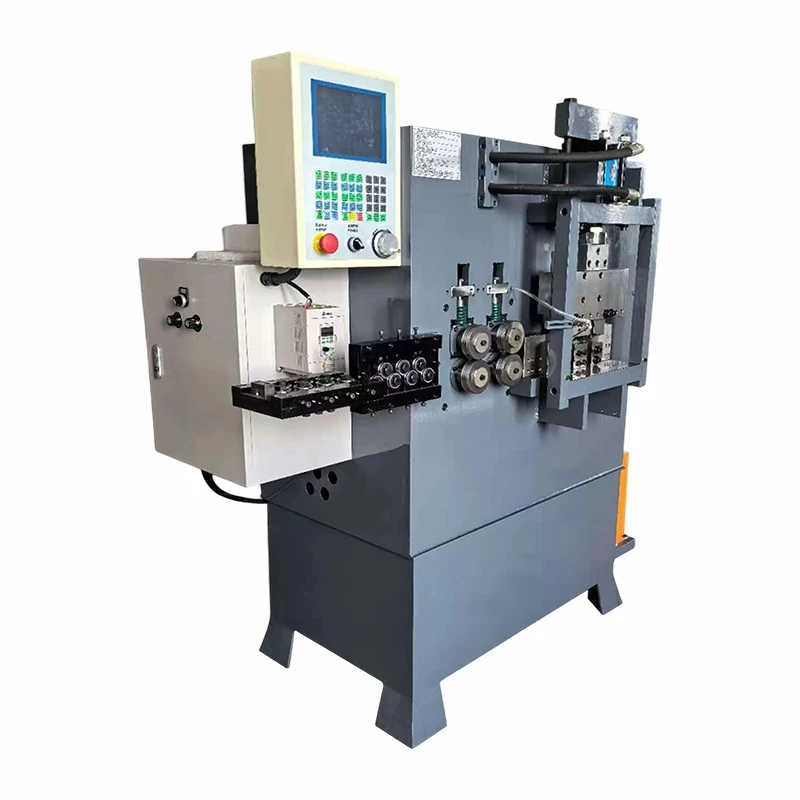
If you're in the market for a paint roller machine or have any questions about paint viscosity and how it relates to our machines, don't hesitate to reach out. We're here to help you make the right choice and ensure that you get the best results with your painting projects. Whether you're a professional painter or a DIY enthusiast, we've got the right machine for you.
In conclusion, the minimum paint viscosity for a paint roller machine is a complex topic that depends on multiple factors. By understanding these factors and how to measure and adjust the paint viscosity, you can ensure a smooth and successful painting job. So, if you're ready to take your painting to the next level, consider our paint roller machines. We're confident that they'll meet your needs and exceed your expectations.
References
- "The Handbook of Paint and Coating Technology"
- "Painting Techniques for Professionals"