

Hey there, fellow painting enthusiasts and industry pros! As a supplier of paint roller machines, I've seen firsthand the importance of high-quality paint rolling. A good paint roller machine can make all the difference in achieving a smooth, even finish on any painting project. But how can you improve the painting quality of your paint roller machine? Well, you're in the right place because I'm going to share some tips and tricks that I've picked up over the years.
1. Choose the Right Roller Cover
The roller cover is one of the most critical components of a paint roller machine. It's the part that actually comes into contact with the paint and applies it to the surface. Different roller covers are designed for different types of paint and surfaces. For example, if you're painting a smooth surface like a wall, a smooth or fine-textured roller cover will give you a nice, even finish. On the other hand, if you're painting a rough or textured surface, a thicker, more absorbent roller cover will help the paint adhere better.
When choosing a roller cover, also consider the nap length. The nap is the thickness of the fibers on the roller cover. A shorter nap is better for smooth surfaces, while a longer nap is better for rough surfaces. And don't forget to check the quality of the roller cover. Look for one that's made from high-quality materials and has a tight weave to prevent shedding.
2. Prepare the Surface Properly
No matter how good your paint roller machine is, if the surface isn't prepared properly, you won't get a great paint job. Before you start painting, make sure the surface is clean, dry, and free of any dirt, dust, grease, or loose paint. You can use a mild detergent and water to clean the surface, and then rinse it thoroughly and let it dry completely.
If the surface has any holes, cracks, or imperfections, fill them in with a suitable filler and sand them smooth. This will help the paint adhere better and give you a more even finish. And if you're painting over a previous coat of paint, make sure it's in good condition. If it's peeling or flaking, you may need to scrape it off and start over.
3. Use the Right Paint
Using the right paint is just as important as using the right roller cover and preparing the surface properly. Different types of paint are designed for different types of surfaces and applications. For example, latex paint is a popular choice for interior walls because it's easy to clean up and dries quickly. Oil-based paint, on the other hand, is more durable and is often used for exterior surfaces or surfaces that are exposed to a lot of wear and tear.
When choosing paint, also consider the finish. There are several different finishes available, including flat, eggshell, satin, semi-gloss, and high-gloss. Flat paint is great for hiding imperfections, while high-gloss paint is very durable and easy to clean. Choose the finish that's best suited for your project.
4. Maintain Your Paint Roller Machine
Regular maintenance is essential for keeping your paint roller machine in good working condition and ensuring high-quality painting results. After each use, make sure to clean the roller cover thoroughly. You can use warm, soapy water to remove any paint residue, and then rinse it well and let it dry. If the roller cover is very dirty, you may need to soak it in a paint stripper or use a special cleaning solution.
In addition to cleaning the roller cover, also check the machine itself for any signs of wear or damage. Make sure the rollers are turning smoothly and that there are no loose parts. If you notice any problems, have them repaired as soon as possible to prevent further damage to the machine.
5. Consider Upgrading Your Machine
If you've been using the same paint roller machine for a long time and you're not getting the results you want, it may be time to consider upgrading to a newer, more advanced model. There are many different types of paint roller machines available on the market today, each with its own features and benefits.
For example, some paint roller machines come with adjustable rollers that allow you to control the amount of paint being applied. This can be very useful for achieving a more even finish. Other machines have a built-in paint reservoir that eliminates the need for a paint tray, making the painting process faster and more efficient.

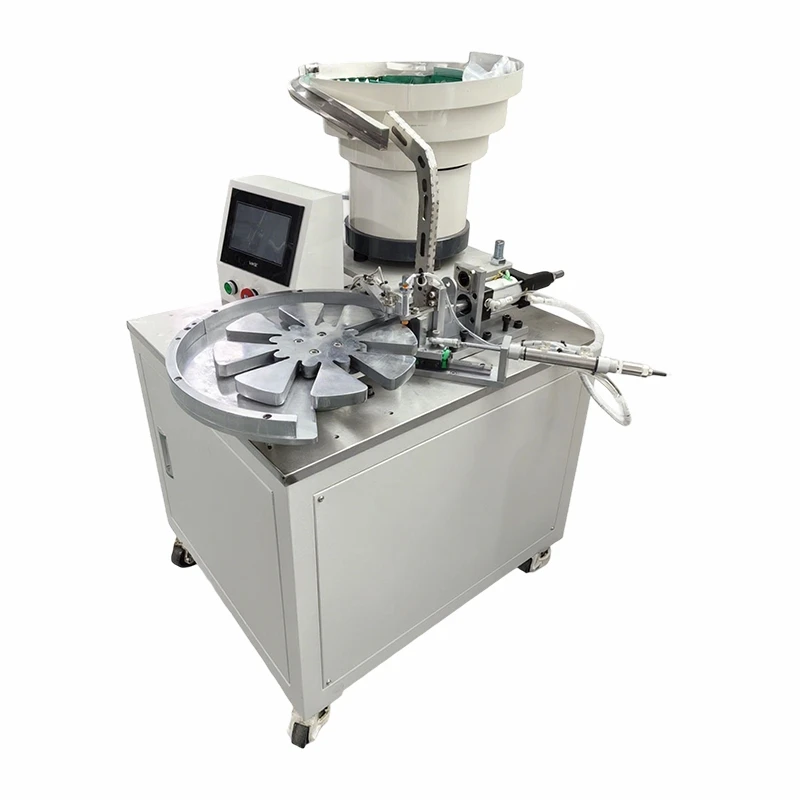
If you're interested in upgrading your machine, check out our Paint Roller Handle Bending Machine, Paint Roller Handle End Cap Making Machine, and Paint Roller Cage Wire Making Machine. These machines are designed to improve the quality and efficiency of your paint rolling process.
6. Train Your Operators
If you have a team of operators using your paint roller machines, it's important to make sure they're properly trained. A well-trained operator will be able to use the machine more effectively and achieve better painting results.
Provide your operators with comprehensive training on how to use the paint roller machine, including how to load the paint, adjust the rollers, and clean the machine. Also, teach them the proper techniques for applying the paint, such as how to roll the paint on in a smooth, even motion and how to avoid drips and streaks.
7. Test Your Techniques
Before you start a large painting project, it's a good idea to test your painting techniques on a small, inconspicuous area. This will allow you to see how the paint looks on the surface and make any necessary adjustments to your technique or equipment.
Try using different roller covers, paint types, and application techniques to see which combination works best for your project. And don't be afraid to experiment – sometimes, a little trial and error can lead to great results.
Conclusion
Improving the painting quality of a paint roller machine is all about choosing the right equipment, preparing the surface properly, using the right paint, maintaining the machine, and training your operators. By following these tips and tricks, you can achieve a smooth, even finish on any painting project.
If you're interested in learning more about our paint roller machines or have any questions about improving your painting quality, don't hesitate to get in touch. We're here to help you take your painting projects to the next level. Let's start a conversation and see how we can work together to meet your painting needs.
References
- Painting Techniques Handbook
- Guide to Paint Roller Machine Maintenance
- Best Practices for Surface Preparation in Painting Projects